Unflinching fiction 💀 Undeniable craft 💀 Unapologetically Bold

Dark Fiction and Mental Health: A Complex Relationship
Obsidian Skull Press explores this intricate dance between the creative process and mental well-being, revealing how delving into the darkness can be both a cathartic balm and a treacherous path.
Obsidian Skull Press
5/29/20265 min read
Dive into the Shadows: The Dark Fiction Author's Psyche and How to Support Them
Dark fiction, with its potent brew of the uncanny and the unsettling, draws us into the labyrinth of the human psyche. Authors who navigate these shadowed territories, from the cosmic dread of H.P. Lovecraft to the existential chills of Thomas Ligotti, grapple with profound themes. But what is the toll on the creators themselves? Obsidian Skull Press explores this intricate dance between the creative process and mental well-being, revealing how delving into the darkness can be both a cathartic balm and a treacherous path.
The Muse in the Abyss: Catharsis and Control
For many, writing dark fiction is a potent form of catharsis. It's a safe haven to dissect personal demons and emotional turmoil, transforming inner chaos into art.
As Stephen King eloquently notes in his book On Writing: A Memoir of the Craft, "writing is like driving at night in the fog. You can only see as far as your headlights, but you can make the whole trip that way.” For King, and many like him, this process offers a sense of command over the unknown.
TL Hutton, founder of Obsidian Skull Press, echoes this sentiment in an upcoming article, The Mouth of Madness: Inside the Mind of TL Hutton, about his creative process, stating, "I have always been a firm believer in the therapeutic benefits to be reaped from the creative process and writing. And if I can be open, honest, and real about my demons in my writing, then perhaps I can understand them more and refrain from succumbing to their malfeasance as easily.”
By confronting these "demons" through their characters, authors can achieve a greater understanding and foster a fragile harmony. This act of writing can imbue authors with a sense of mastery over their fears, allowing for healthy emotional processing.
The Challenges of Writing Dark Fiction
However, writing about dark subjects can also be a challenging and potentially damaging experience. As British Fantasy Award-winning author Dan Coxon notes how writing about trauma and horror can be a traumatic experience in itself in his introspective The Horror of Humanity: Living with Monsters, "I’ve suffered with depression on and off for over twenty-five years...For a long time, I thought of that monster as something to vanquish. After all, that’s what the stories have taught us, isn’t it? When a monster comes to town, it needs someone to stand up to it and destroy it, to burn it to ashes and make sure it never darkens our doors again."
Furthermore, the pressure to produce consistently dark and disturbing content can take a toll on an author's mental health. As author Brooklyn Ann notes in her 2023 Horror Writers Association (HWA) article, MHI: WRITING HORROR WITH PTSD…AND THERAPY WITH STEPHEN KING’S IT, "Aside from the nature of the story... writing certain scenes is bringing back a lot of my old traumas. I really should have seen that coming, but sometimes it's hard to spot the obvious when you're so close to a situation."
As industry spaces like The Write Practice point out, the modern publishing landscape demands that writers stay constantly visible, constantly "edgy," and highly productive. When an author's specific niche requires them to delve into human depravity, trauma, or cosmic dread, that "constant demand" acts as an accelerator for clinical burnout. Authors who write about dark subjects may feel pressure to push themselves to explore increasingly disturbing themes, which can be damaging to their mental health.
Supporting Our Storytellers in the Shadows
It is vital that we, as fans of dark fiction, champion the mental health of its creators. So, let's shine a light on a more diverse spectrum of voices. Consider exploring the work of authors like Silvia Moreno-Garcia, whose "Mexican Gothic" blends horror with cultural commentary, or Tananarive Due, a master of Black speculative fiction that often delves into psychological horror. For authors in Japan, the psychological suspense of authors like Kanae Minato offers a unique lens on the darker human impulses.
To truly support these authors and the broader mental health community, consider:
Purchasing their work directly: Support independent presses like Obsidian Skull Press, and seek out authors on platforms that offer them a larger share of the profits.
Engaging thoughtfully: Share their work, leave reviews, and participate in discussions respectfully. Use hashtags like #DarkFictionAndMentalHealth to amplify their voices and the conversation.
Advocating for their well-being: Encourage publishers and readers alike to prioritize the mental health of writers.
Donating to mental health organizations: Support general mental health initiatives and those specifically focused on supporting artists and creatives. Organizations like the Haven Foundation provide resources for artists facing illness or disability.
The relationship between dark fiction and mental health is a complex tapestry. By fostering a culture of respect, understanding, and proactive support, we can ensure that those who illuminate the dark corners of our existence are themselves bathed in the light of care.
Conclusion and Call to Action
The relationship between dark fiction and mental health is complex and multifaceted. While writing about dark subjects can be therapeutic and cathartic, it can also be challenging and potentially damaging. As fans of dark fiction, it's essential that we prioritize the mental health and well-being of authors who write about these subjects.
If you're an author who writes about dark fiction, we encourage you to prioritize your mental health and seek support when you need it. Check out resources like NAMI, Spotify Mental Health for Writers, and The Mental Health Foundation for tips and advice on managing your mental health as a writer.
Literary & Creative References
Stephen King, Author: On Writing: A Memoir of the Craft
H.P. Lovecraft, author: H.P. Lovecraft
Thomas Ligotti, Author: THOMAS LIGOTTI ONLINE
Obsidian skull press, Inidie publishier: Obsidian skull press
TL Hutton, Author: Obsidian skull press
Brooklyn ann, Author: Brooklyn Ann
Dan Coxon, Author: The Horror of Humanity: Living with Monsters
Horror Writers Association: Horror Writers Association (HWA)
Brooklyn Ann, Author: MHI: WRITING HORROR WITH PTSD…AND THERAPY WITH STEPHEN KING’S IT
The Write Practice: The write practice
"Mexican Gothic," Book: "Mexican Gothic"
Kanae Minato, Author: Kanae Minato
Mental Health & Support Resources
NAMI: NAMI
Spotify Mental Health for Writers: Spotify Mental Health for Writers
The Mental Health Foundation: The Mental Health Foundation
And if you're a fan of dark fiction, we encourage you to support authors who write about these subjects in a responsible and respectful way. Check out Obsidian Skull Press for a range of dark fiction titles that explore the complexities of the human experience.
Join the conversation on social media using the hashtag #DarkFictionAndMentalHealth, and share your thoughts on the complex relationship between art and mental health. Let's work together to prioritize the mental health and well-being of authors who write about dark subjects, and to promote a culture of respect and support for writers who explore the unknown.

Featured Artwork & Artists
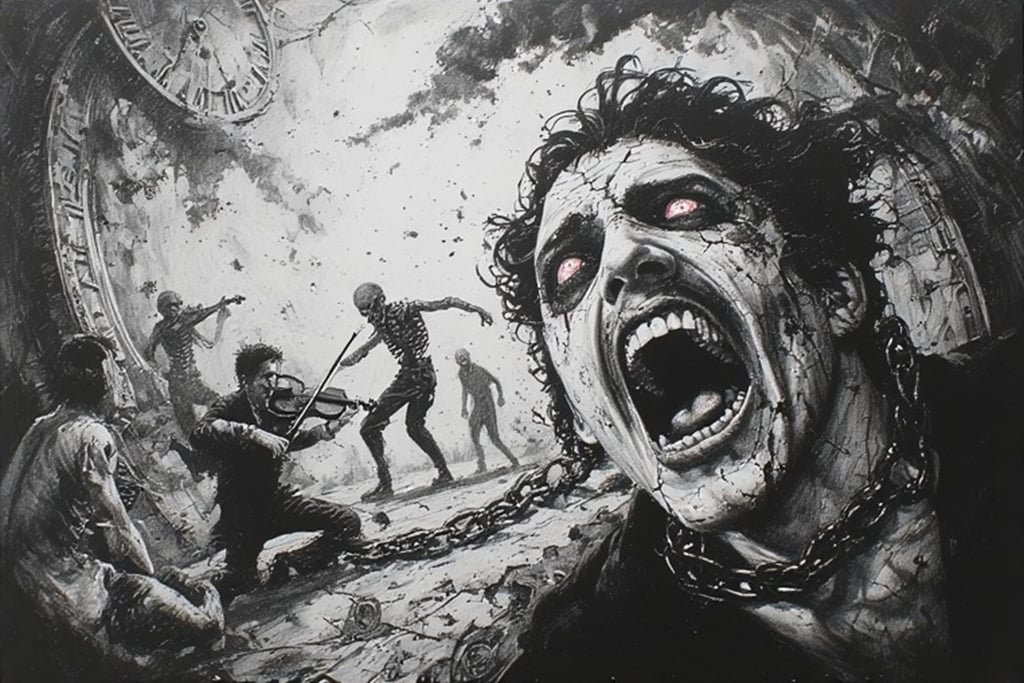
Sauna Goblin (Finland 2026): For the piece Screams Through Eternity.
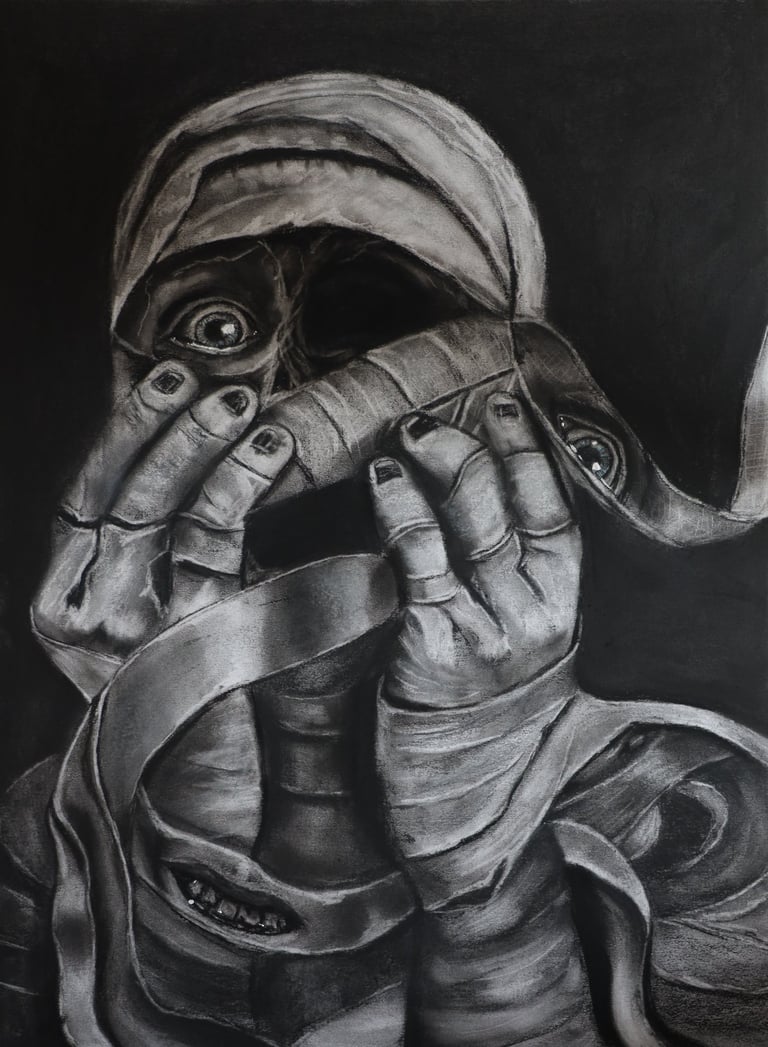
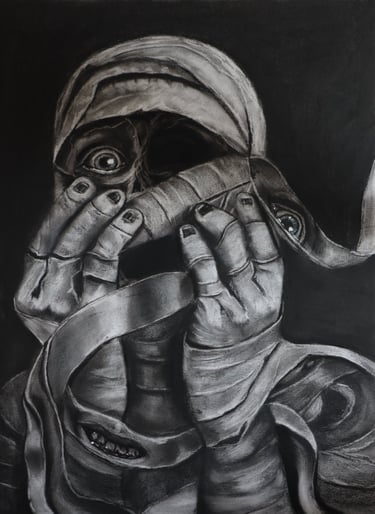
Candy Samuels (2026): For the piece Unraveled.
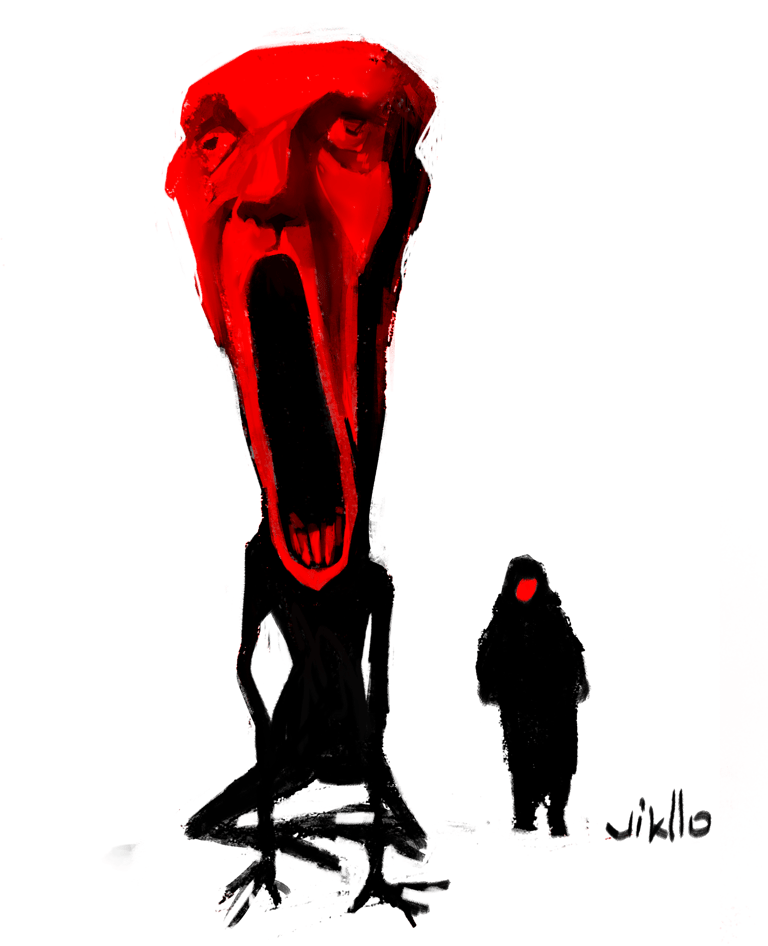
Vikllo (Belarus 2026): For the piece my little baby.
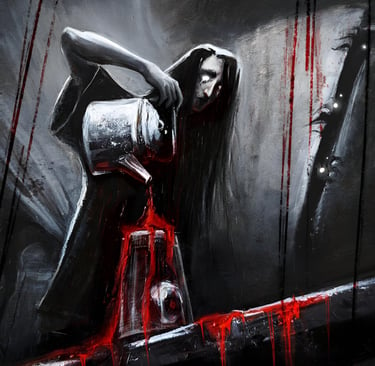
Pam Pamich (Russia 2023): For the piece Untitled.
GENERAL INQUIRIES
SUBMISSIONS
submissions@obsidianskullpress.com
FOUNDER | PUBLISHER | EDITORIAL DIRECTOR
tlhutton@obsidianskullpress.com
ASSISTANT EDITOR
devon.k@obsidianskullpress.com
ARC GROUP
© 2025-2026 Obsidian Skull Press, LLC. All Rights Reserved


Ink & Shadows




Causes we Support







Obsidian Skull Press is dedicated to amplifying transformative narratives through the lens of marginalized global communities. We operate with integrity, transparency, and a fierce commitment to representation.
Cultura Nocturna ARC Group
FOLLOW US
CONTACT US


Author Services