Writing IS Work
INK & SHADOWS
TL Hutton
2/4/202614 min read
“I Don’t Work For a Living?” Cool. Let’s Talk About the 80-Hour Week I Spend Not Lifting Bricks.
So recently, someone told me—straight-faced, dead-eyed—“You don’t really work for a living, like most of us do you? I mean, you’re not out there doing anything.”
Ah. The manual labor litmus test for machismo and societal worth. Thanks, caveman logic. I get it—it has been a decade since my spine has cracked under a load of landscape retaining block, my hands aren’t calloused from a hammer or shovel, and yes, I’ve never operated a forklift (though I did beat Forklift Simulator on expert mode, so…). But let’s be real: just because my job doesn’t leave grease under my fingernails, splinters in my flesh, or a layer of filth that fits me like a second skin, that doesn’t mean I’m not sweating, bleeding, and occasionally crying into my third café pot of the morning (maybe because I am frustrated with an outline not flowing correctly, but more likely due to dropping my morning preroll into it on accident).
Yes, some smug "Karen"-ass dude at a local bar some weeks ago told me I “don’t work for a living.”
Bro.
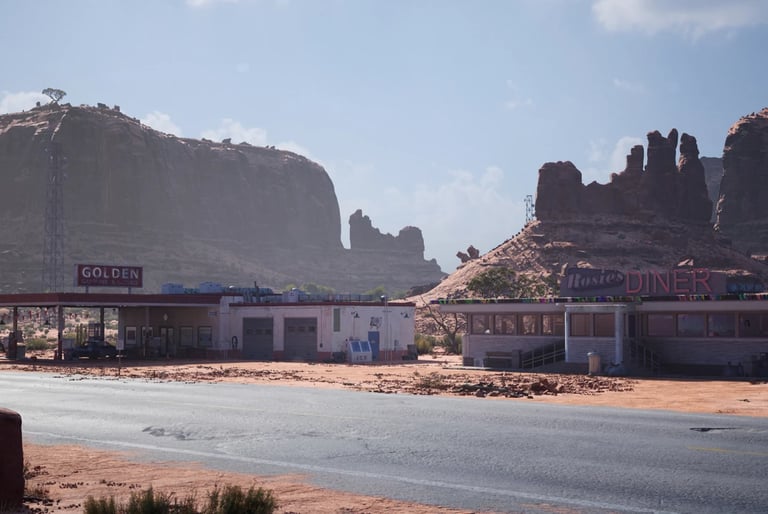
I recently built an entire Arizona desert town from scratch.
Tóshon Flats, Arizona. Population: fictional. Trauma: fictional and real. Weather: soul-crushingly hot summers, marrow-freezing cold in winter, with a 90% chance of mysterious disappearances followed by emotional breakdowns by sundown any time of year.
Contrary to popular belief, writing a novel or story isn’t typing stuff. It’s not about how fast you can get there. It’s not “AI prompt + hit enter.” It’s not divine dictation from a muse who only shows up smelling like jalapeños, tequila, and unrequited dirty back-alley love. It’s work. Literal work. And not the “ooh, I wrote a paragraph today” kind. I’m talking mentally bankrupt, emotionally drained, spiritually hollowed out, and—yes—physically exhausting work.
But here’s the pulque: Just because I’m not swinging a sledgehammer under the Arizona sun or setting concrete forms in Missouri doesn’t mean I’m not breaking my back. I write novels. And if you think that means I sip lavender lattes while smoking clove cigarettes and “waiting for inspiration,” you’ve never stared into the abyss of a blank document at 3:17 AM, weeping softly as your protagonist refuses to die (or worse—won’t come to life).
Yes, writing is work. Exhausting work. Mentally, I’m juggling 18 timelines, six cultures, and the emotional trauma of a fictional shepherd whose goat got eaten by a coyote in 1983.
Emotionally, I’ve cried over dead characters I made up. (RIP, Thaddeus White. You deserved better. Maybe. You were a piece of shit under it all.)
Spiritually, I’ve prayed to forgotten Mesoamerican deities just to get a chapter to make sense and sipped peyote on the Reservation to find the meaning in a plot.
And physically? Try hunching over a keyboard for 14 hours straight, surviving on coffee, weed, Gummy Bears, and existential dread. My spine has the structural integrity of a limp noodle most days.
Welcome to my version of “Creating Life”—where instead of thunderbolts, clay, Big Bang cataclysms within the cosmos, or melted down barbie doll parts, I wield Microsoft Word, Novel Factory, Daz Studio, Unreal Engine, Adobe Illustrator, Lightroom, and Photoshop. Instead of muses, I have trauma, más café, the occasional ghost, a handful of infused prerolls, and an unhealthy obsession with topographical maps and sasquatch documentaries.
And no, male “Karen” from a local bar, it did not “Poof!” into existence because I asked an AI to “make a desert town, edgy.”
It was built. Brick by mental brick. Trauma by historical trauma.
Allow me to reiterate.
Welcome to My 3 A.M. Sweatshop (No, This is Not a Metaphor)
While some folks clock out at 5 pm and grab cervezas, I’m researching Apache ethnobotany to figure out which native plants my protagonist would chew to dull the pain of grief. I’m interviewing elders. I am spending countless hours with a screen searing my retinas like too much muzzle flash during combat. I’m driving 1400 miles halfway across the country to go down dusty backroads in Arizona or hopping a plane across the Gulf to feel my beloved Mexico City, recording ambient wind sounds, photographing cracked adobe walls, inhaling the smell of burning juniper like a man possessed (or perhaps obsessed), or sitting in some hole-in-the-wall Mexican Pulqueria, engaging the patrons, listening to their stories, asking questions, scribbling notes, making rough sketches.
This isn’t hobby. Nor is it some casual curiosity. This is fieldwork.
And yes—following my initial idea and some minor fact-finding searches—I drive or fly to do my research. It’s not a vacation. It’s not “chillin’.” Although there might be a dash of that tossed in the mix, it's anthropology meets PTSD-inducing self-doubt. And when I come back? I transcribe hours-upon-hours of audio, maps, cultural taboos, sketches, interviews, cross-reference records, photographs and videos, news articles, historical records, and then—then—I sit down and write.
But before that?
Before all that is where the real labor begins.
My World-Building Toolkit: Because I Refuse to “Just Make Shit Up”
For every ghostly whisper from the shadows, or peyote-induced vision quest fever dream that I transform into a story, novel, or novella, I build a civilization from scratch. I am not exaggerating. I don’t just write a setting—I inhabit it, architecturally, historically, spiritually, and sonically.
I suspect, here in the Midwest’s bible belt that is fit all snug around the ever-fattening waist of the USA, some will voice “You think you play God?” No. Honestly, I wouldn’t want that fucked-up job. Yet in a creative respect, all who create no matter the medium, are in their respective creative essence and right, gods.
For what is a god if not a creator of worlds, peoples, and those darker sides of both, real or imagined.
Take Tóshon Flats, Arizona, the sunbaked, dust-choked soul of my novel "Where the Wind Cries Red." This isn’t a dot on a map (although I did place a fictional dot on an actual topographic map). It’s a place where history sticks to the walls like old blood.
This Town Has More Layers Than Fresh Roadkill Cooking on the Sun-Scorched Asphalt of Highway 73
Tóshon Flats isn’t just a dot on a map. It’s a living, bleeding entity. Think Dark Winds meets No Country for Old Men meets Welcome to Derry, but with more generational trauma and better frybread.
It sits on the Fort Apache Reservation, where the land remembers everything. The soil is full of the blood of innocents, the sins of saints, and uranium from government carelessness during the 1950s. The red wind carries old songs in forgotten tongues and the low drone of surveillance drones. The juniper trees? Sacred. The abandoned copper mine? Also sacred, but in a "something terrible probably died down there" kind of way.
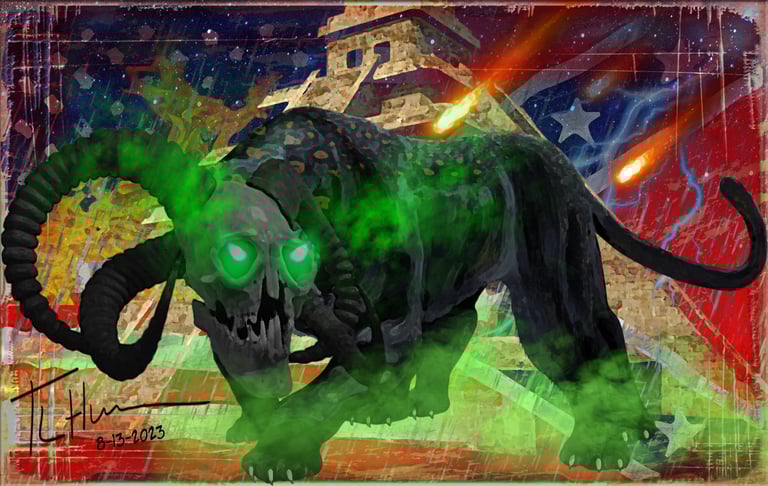
And every damn detail—every cracked adobe wall, every flickering neon Café sign, every cubic foot of sun-baked earth torn open by the bones of the earth, every rusted wind turbine groaning like a depressed robot or unseen but felt spectral compatriot of Kit Carson’s still walking its picket at the old outpost, every orange glow of the Mogollon Monster’s eyes watching a camper from the darkening pinons or the scraaape-scratch-scraaape of the One Who Walks with Bones dragging his chains of fused vertebrae across the mesas, to the mirrorlike surface of the Sipapu Kiva under a Blood Moon—shapes how my characters walk, talk, suffer, and survive.
Because here’s the truth no one tells you: Great characters don’t just exist in a world—they are born from it.
The Characters of “Where the Wind Cries Red” don’t just live in Tóshon Flats—they are all made of its contradictions, good or bad, right or wrong. Some are tech-savvy but tied to tradition. Others are steeped in tradition and against progress, while others are caught between identity and who or what society tells them they should be. Some want to leave, but the land won’t let them. Others have left but the land continues to call them back. Some drown themselves in liquor, drugs, sex, crime, while others drink coffee from the Tribal Store like its communion wine because, honestly, in this town—it kind of is. Some are not even from this world, but are tied to and shape it, perhaps more so than the ones who live in it.
Their grief? It’s baked into the drought, wailed across the valley in the Red Wind. Their rage? Fueled by the same diesel generator that powers the tribal council office when the BIA shuts off the power. Their fear? The monster who continues to take their mothers, daughters, sisters.
World-building isn’t backdrop. It’s character-building with extra steps.
For creatives—writers, game devs, comic artists, TikTok lore weavers—here’s the secret: great stories don’t start with plot. They start with place. With weight.
And building that weight? It’s a full-contact sport.
Here’s how I do it—and how you can too, without losing your sanity (or at least, lose it more productively).
Welcome to My World-Building Gauntlet
1. The Map (Not the Google Maps Kind)
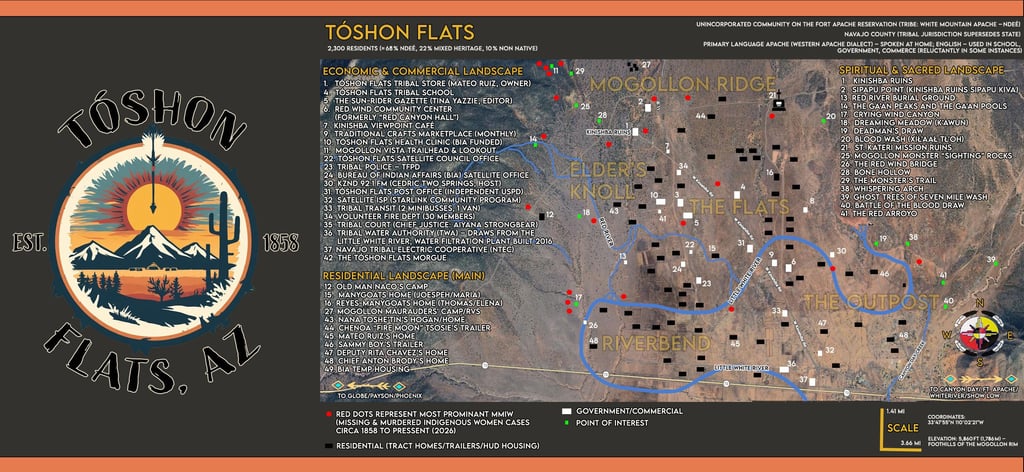
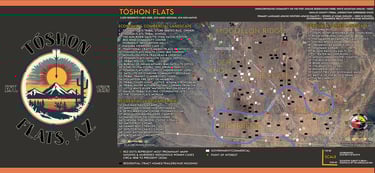
I start with a map. Not a metaphor. A real one. Topographical. Zoned. Labeled like a municipal zoning hearing from hell.
· Residential (where the ghosts share porches with teenage TikTok dancers)
· Sacred (off-limits, unless you’re desperate or an idiot)
· Economical/Industrial (the kind of place where hope goes to retire)
· Spiritual (where the coyotes judge you silently)
Why? Because if your character runs from the police, you need to know where the dead-end alleys are. If they’re smuggling sacred artifacts, where’s the blind spot in the industrial park?
Tools:
Adobe Illustrator and Photoshop (for the art)
AutoCAD (for the geeky architecture porn)
Unreal Engine (because sometimes I want to walk through my world like a glitchy NPC)
I create the place profile, an extensive docier detailing everything from Postal Zip Codes to an elaborate history, which serves as the foundation for my maps.
Toshin Flats, AZ Profile (Complete)
Pro Tip: Label everything like a paranoid urban planner. That gas station isn’t “a gas station”—it’s “El Sol Diner & Pump – owned by ex-con with ties to cartel, sells cold beer and sadder tacos, sacred site 300ft east, frequently haunted by wind that sounds like crying.”
Now your world has rules. And rules create conflict. And conflict? That’s where stories live. The point is: your world must have geography that matters. A river isn’t just water—it’s a boundary, a memory, a potential murder site.
Creative writing hack: Label your map with emotional temperature. What parts feel safe? Oppressive? Haunted? Let that guide your character movements.
2. The Timeline (Because Chaos is Boring)
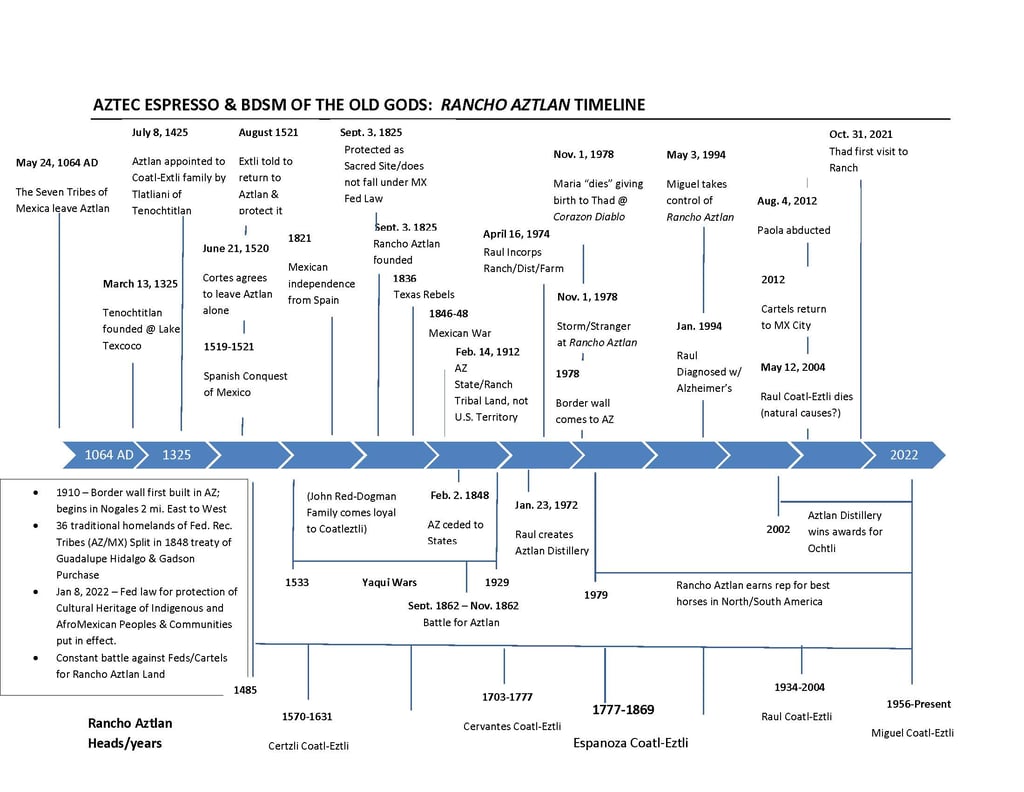
Time is narrative gravity. If you don’t know what happened before page one, you’re writing in zero-G—everything floats. Nothing matters.
So I build timelines that look like conspiracy boards made by a cracked-out monk.
I build multi-strand timelines:
Geological
History
Climate shifts
Family lineages
And yes—supernatural incidents (this is fiction, after all)
An example would be Rancho Aztlan, the decadent, cursed, coffee-and-cults-riddled heart of my “Aztec Espresso & BDSM of the Old Gods” novellas. The 1952 drought that killed 300 sheep? It didn’t make it to the story. The 1987 “incident” at the old mission where three people reported hearing drums under the earth? Yeah, that one is in. Also not fully explained. Mystery is a feature, not a bug.
Creative writing hack: Use “what if” branching. “What if the mine didn’t close in ’78? What if the treaty was never ratified? What if the spirit world got Wi-Fi?” Play historical Jenga.
Also, I use Landscape Architect Pro and Unreal Engine to model the hacienda and other structures in 3D so I could “walk” through it and describe spatial relationships accurately.
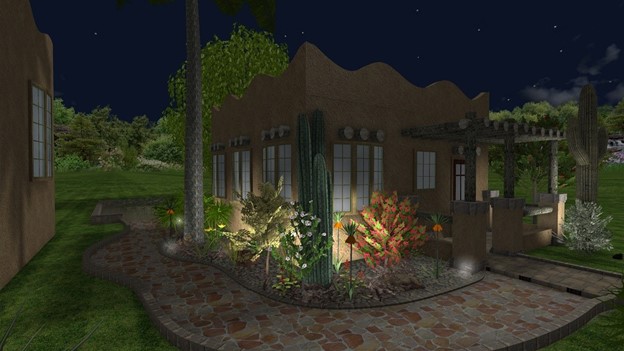
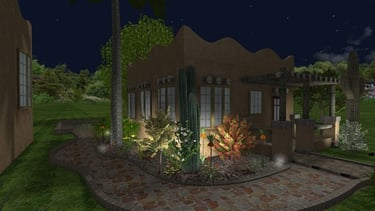
That’s right. I 3D-modeled a fictional ranch and the surrounding area on the border of Mexico and Arizona because I care about sightlines during a Mesoamerican ritual scene. I use ALL these mediums so that I can walk through my virtual world. Why? Because if I can’t feel the gravel under my digital avatar’s boots, it isn’t real enough. Not for me. Most definitely not for you.
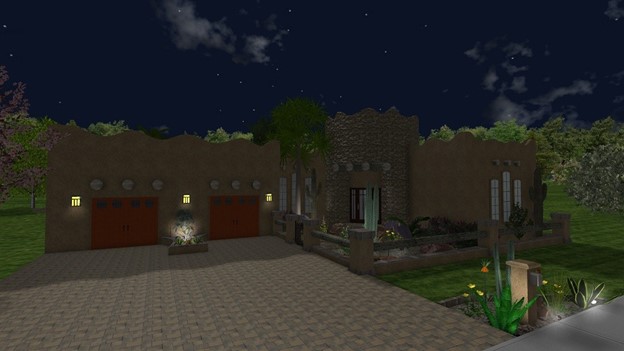
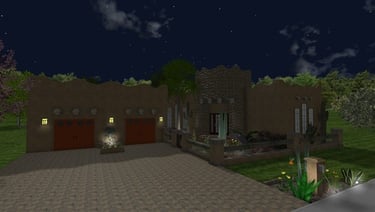
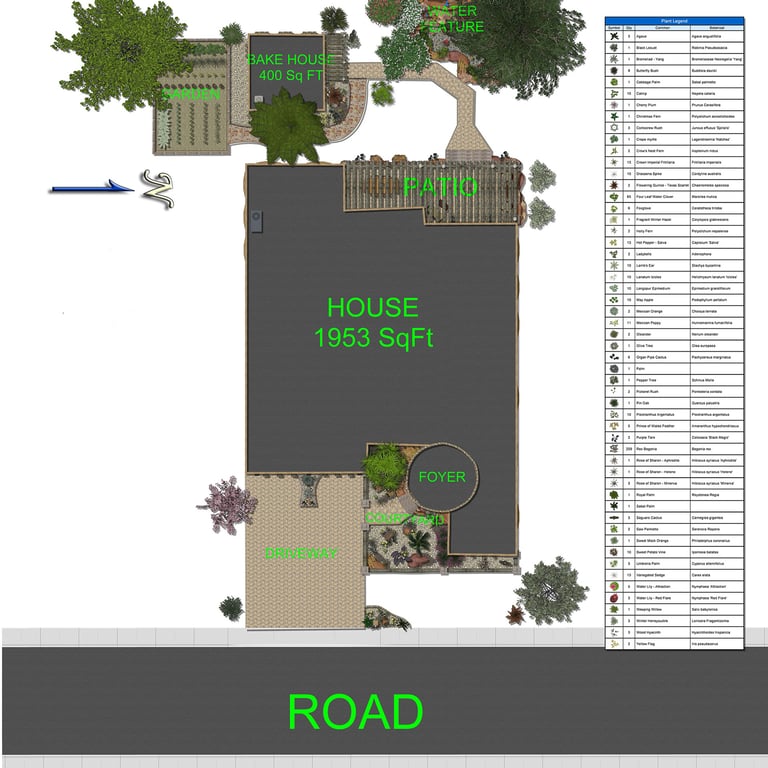
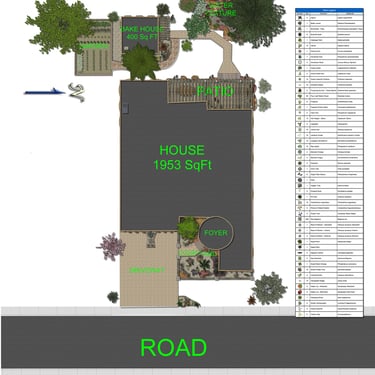
I use AutoCAD for architectural/floor plans.
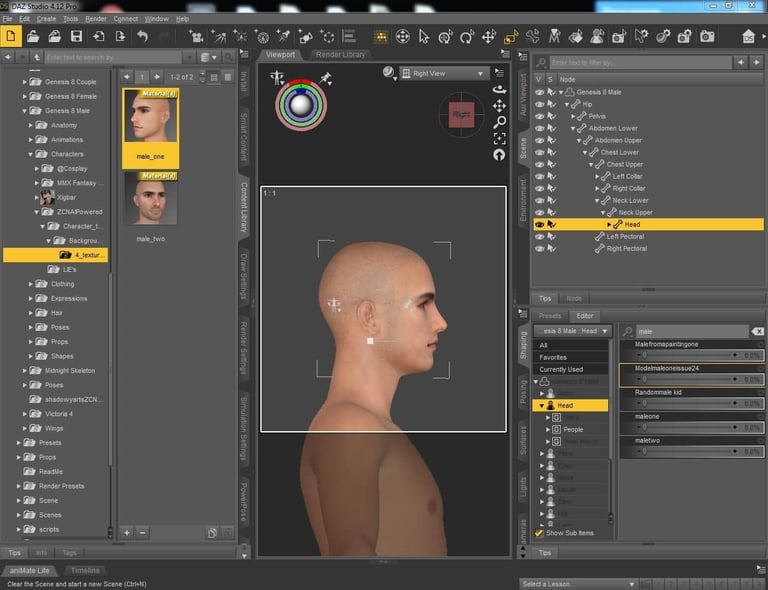
Daz Studio for character visualization (yes, even their scars, tattoos, and other small details).
Unreal Engine and Lumion for geographical/topographical/environmental design
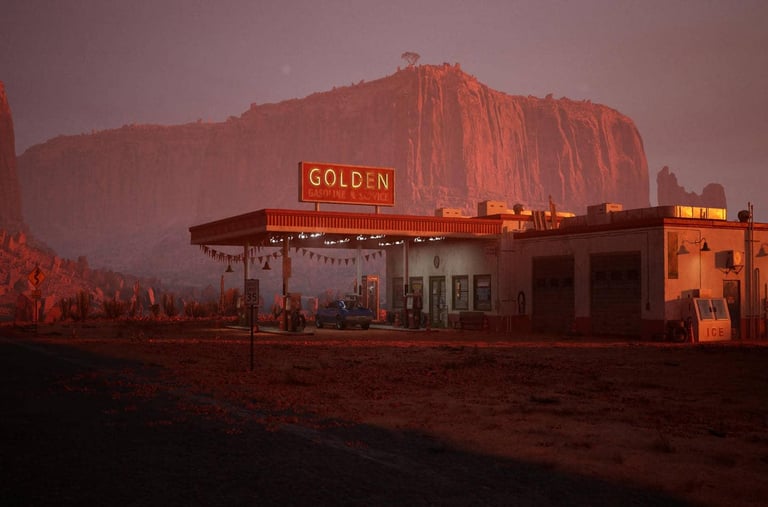
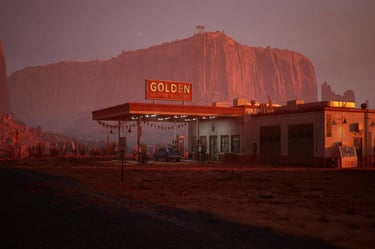
Photoshop, Illustrator, and Lightroom to hone my final images.
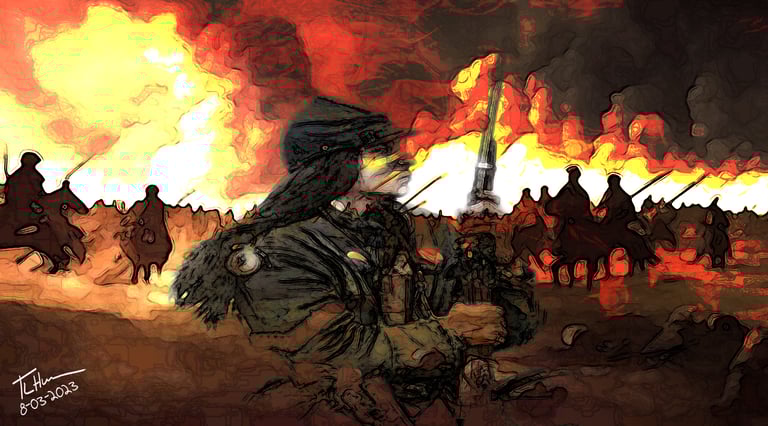
I’ve written fake newspaper clippings, created cursed NFTs for a god nobody worships anymore, and even composed songs in a language I made up.
This isn’t “just writing.” This is creative engineering.
3. THE CHARACTER PROFILES (Or: “They’re Not People. They’re Problems With Names”)
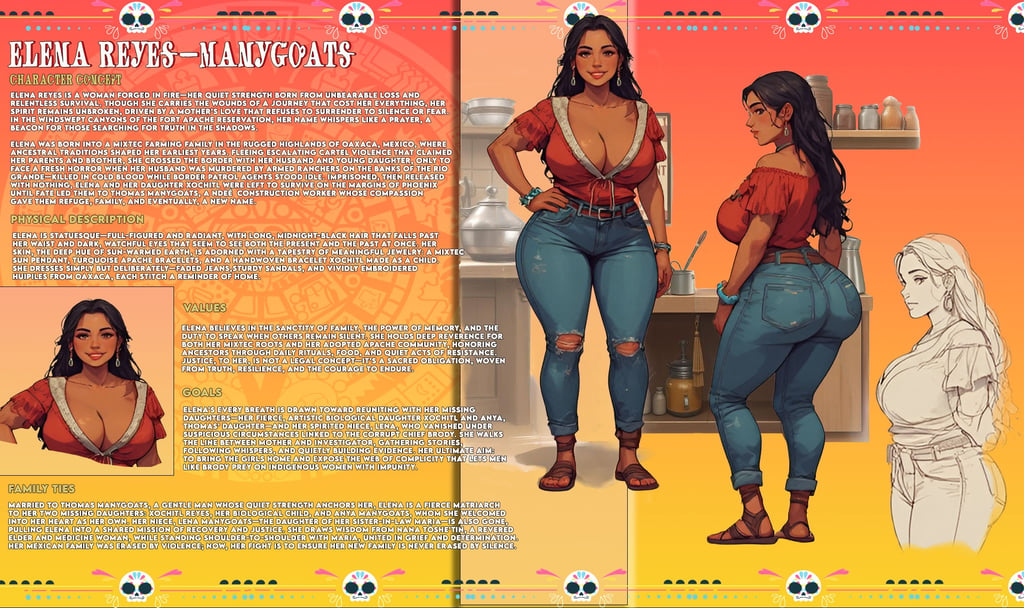
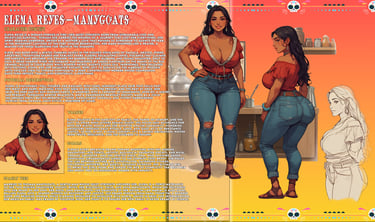
Characters aren’t born—they’re engineered.
Meet Elena Reyes-Manygoats, one of my protagonists from Where the Wind Cries Red. She’s not “a girl from the rez.” She’s:
A Mixtec immigrant from Oaxaca, Mexico, escaping cartel violence to make a better life for her daughter (legacy = pressure)
Trained in traditional Oaxacan healing, mythology, and culinary art, but got her degree in meteorology (science vs. spirit = delicious tension)
Allergic to juniper pollen (which is everywhere)
Is renowned on the Rez for her traditional Mexican cuisine
I don’t ask my characters, What’s your trauma?
I ask: What does your grandmother’s cooking smell like, and does that smell make you feel safe or guilty?
I design full sensory profiles covering backstory to present viewpoint, mental/emotional traits, their social circles, and every little detail that will breathe life into them.
A character’s missing front tooth isn’t quirky—it’s from a fight at a 4-H fair in ’03. Their jacket? Hand-me-down from a cousin who disappeared near the border.
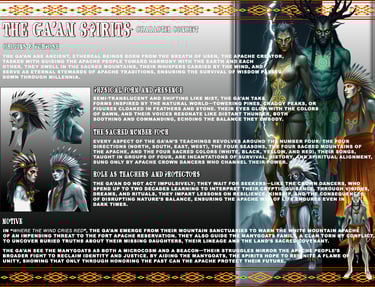
Free Character Profile Template (Of my own creation)
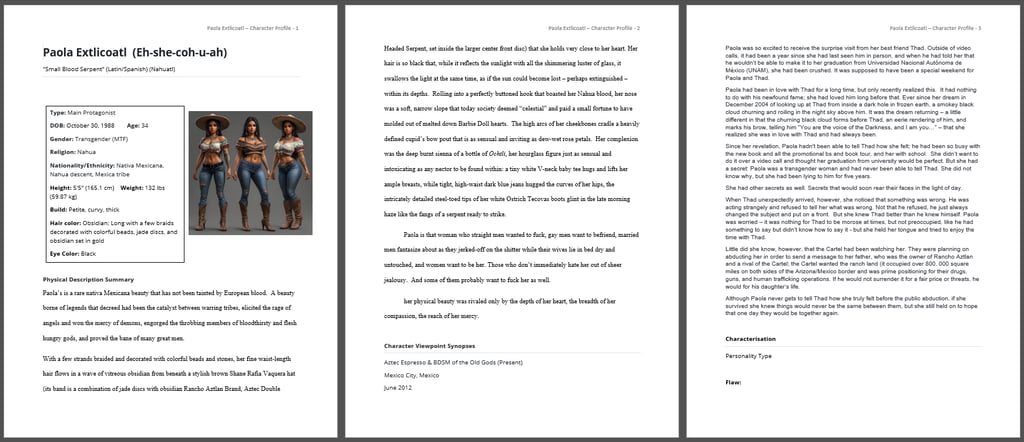
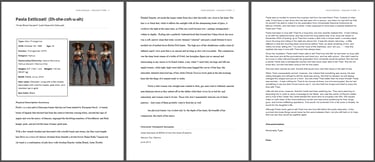
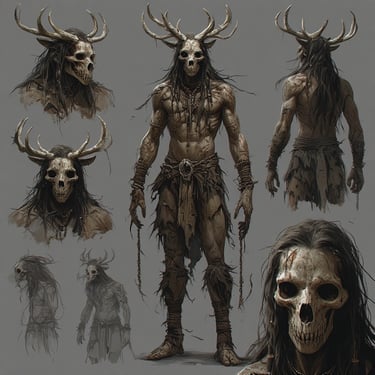
I use 3D modeling software (Daz Studio, 3ds Max) to visualize characters—not for publication, but to feel them. What’s their stance? Their walk? Their posture when lying?
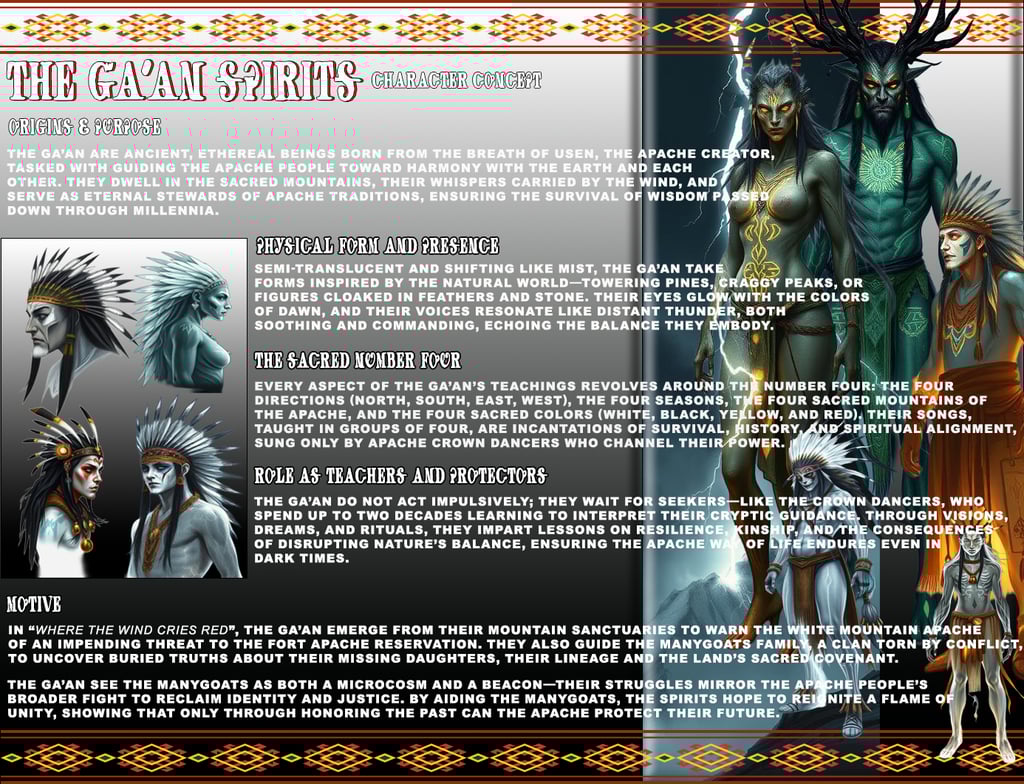
When you know how a character holds their shoulders, you write their voice with muscle memory.
THE SECRET SAUCE: SENSORY RESEARCH (Or: “Yes, I Googled ‘How Does a Coyote’s Howl Feel in Your Ribs?’”)
World-building isn’t just data. It’s physical memory. So I do field research. I visit places. I talk to elders. I record ambient sounds. I sleep in ghost towns. I eat questionable roadside tacos that may be perro and not asada.
For Tóshon Flats, I spent days on the Fort Apache Reservation, listening to stories I wasn’t born to carry but have humbly tried to honor. I walked the trails my ancestors walked. I stood where soldiers once stood. I felt the wind—not as weather, but as voice.
Then I brought all that back and turned it into:
The way dust settles in a character’s throat before they confess
The hum of turbines sounding like a lullaby from a dead god
The smell of fry bread wafting through a scene of grief
That’s not “flavor.” That’s emotional DNA.
FOR CREATIVES: YOUR WORLD SHOULD FIGHT FOR YOU
Here’s the unorthodox truth: If your world feels easy to write, you’re not trying hard enough.
Let it push back. Make geography inconvenient. Let culture clash with convenience. Make your hero’s home resist their choices. Because real places do that. Real people live with friction. So when building your world:
Use real research—interview people, study history, travel if you can
Map everything—even if it’s a spaceship or a floating city
Create timeline trauma—what broke this place? What healed it?
Make characters react to place—not just act in it
And for the love of narrative coherence: Name your coffee shop something with stakes. Not “Java Joe’s.” Try “Ghost Dog Café – Est. 1978. We Remember Everyone Who Left.”
Now that’s setting.
Why This Matters: Or, How to Build a World That Doesn’t Collapse Like a Cheap Tent
For fellow creatives, here’s the secret: your world should fight for you.
If your setting is just a backdrop, you’re doing it wrong. Let it push back. Let it say:
“You can’t put a bar here—this is ancestral burial ground!”
“You can’t have cell service—mountain blocks the signal, genius.”
“Your character wouldn’t eat shrimp tacos—they’re allergic to shellfish and metaphors.”
Because let’s be honest: if your setting could testify in court, would it say, “I was there”? Or would it mumble, “Uh… somewhere vaguely Eastern European, maybe? With… trees?”
Here are some techniques I use that you can steal:
1. Sensory Mapping
For every location, I answer: What does it smell like? Sound like at 2 a.m.? What does the air feel like when you lie flat on the ground? In Tóshon Flats, the wind carries the scent of sage and diesel from the turbines—contradiction as texture.
2. Cultural Archaeology
I dig into real-world parallels. For Rancho Aztlan, I studied syncretic religious movements, colonial hacienda economies, and the eroticization of power in ritual. Then I twisted it.
Initial Result: A cult that worships a coffee god through bondage rituals. (You’re welcome. I might still use that one day.)
3. The “No Free Lunch” Rule
Every detail must do three things. A crumbling church isn’t just set dressing—it’s:
A spiritual anchor
A real estate dispute
A memory trigger for a character’s trauma
If it doesn’t pull triple duty, it gets cut.
4. Emotional Topography
I map not just land, but emotional zones. The school is not just a building—it’s where shame lives. The river is where grief goes to drown. The bar is where identity is washed down in mescal and real poor choices.
But Is It Real Work? Let’s Do the Math
50+ hours of research per novel
200+ pages of notes (yes, physical notebooks. I’m a barbarian.)
50+ interviews with cultural consultants, historians, mental health experts
3-4 full drafts before “early” readers see it
1 nervous breakdown (approx.) per project
And I still get told I “don’t do real work.”
Cool. Meanwhile, I’ve literally passed out at my desk after writing a scene that demanded I emotionally relive generational trauma. I’ve lost sleep over whether a character would step over a threshold with their left or right foot based on cultural superstition.
And no, "Karen"-ass dude from a local bar, I can’t just “write a happy story about cats.” This isn’t entertainment. It’s alchemy.
To the Doubters: Work Is Not a Muscle Test
To the people who think “real work” means sweat and sore shoulders—yeah, maybe I don’t punch a clock at a mine.
But I sweat ink. I bleed metaphor. I’ve lost sleep, relationships, and part of my sanity to build worlds that matter.
You can keep your “real work” metrics rooted in physical strain and proving some primitive aspect of machismo. I’ll keep mine in emotional risk, intellectual rigor, and the sheer endurance of holding an entire universe in my head for years.
I don’t lift weights. I lift entire cosmologies.
I don’t dig ditches. I dig into the human soul—and sometimes, it digs back.
And if that’s not work? Then tell me why I’m exhausted all the time.
I’m not sorry I chose a dream over a drill. And if being “less of a man” means I get to create worlds and write stories that make readers feel the weight of the wind in Tóshon Flats—then I’ll wear that badge like a war wound. I’m exhausted because I’m doing something harder—I’m building worlds no one’s seen, voices no one’s heard, and stories that might just change one person’s perspective and outlive us all.
Because here’s the truth they don’t see: Every novel is a haunted construction site. And I’m the tired, proud, slightly (I employ that adverb very loosely) insane architect walking through the dust, whispering to ghosts, saying:
“Yeah. I do work for a living.”
Now if you’ll excuse me, I need to go 3D-model a haunted espresso machine.
P.S. To all creatives: Build big. Sweat the details. Let your world haunt you. And when someone says you “don’t really work”? Smile. Nod. Then go write a sentence so true it makes them question their life choices and maybe cry.
That’s labor.
That’s power.
That’s how you change the damn world—one fictional coffee cult or sasquatch-related myth at a time.
#WorldBuildingIsWork #NoIAmNotLazy #SweatTheSmallDetails #ToshonFlats #WriteLikeYouMeanIt
GENERAL INQUIRIES
SUBMISSIONS
submissions@obsidianskullpress.com
EDITOR-IN-CHIEF | FOUNDER
tlhutton@obsidianskullpress.com
ARC GROUP
© 2025-2026 Obsidian Skull Press, LLC. All Rights Reserved


Ink & Shadows




Causes we Support






Obsidian Skull Press is dedicated to amplifying transformative narratives through the lens of marginalized global communities. We operate with integrity, transparency, and a fierce commitment to representation.
FOLLOW US
CONTACT US